
"Data mesh is not a technology — it is an operating model for the organization. If domains do not take responsibility for their data, no platform can give you the answer." — Zhamak Dehghani, creator of Data Mesh
As of 2026, the global data mesh market is valued at USD 1.95 billion and is projected to grow at a CAGR of 17.56% to USD 7.11 billion by 2034 (Fortune Business Insights). Thoughtworks' report "The State of Data Mesh in 2026," published in May, concludes that "data mesh is no longer a conference buzzword — it has reached a maturity stage where data products and self-service platforms are standard assets." At the same time, however, Gartner warns that "only 18% of organizations have the governance maturity to operate a data mesh successfully."
So what does data mesh mean on the factory floor? Now that the traditional approach — pulling the silos that ERP, MES, SCADA, QMS, CMMS, and LIMS have built up over 30 years into a single data lake — has hit its limits, this article examines how ISA-95 layers combine with domain-based data responsibility, and how data mesh differs from data fabric, with real-world cases.

▲ Distributed data owned by each domain — the core idea of the mesh
1. Why Centralized Data Lakes Stall in Manufacturing
Over the past decade, most manufacturing companies built an "enterprise data lake." The results were much the same everywhere. The data engineering team became a bottleneck, receiving, cleansing, and integrating data from every domain, while domain experts on the shop floor only saw the outputs, with no visibility into how their data was processed. When quality issues arose, accountability was murky, and every new analytics request added 6-12 months to the IT backlog. In its 2025 manufacturing digitalization survey, McKinsey reported that "data integration and cleansing consume more than 60% of the average analytics project's time."
- Bottleneck: the central data team cannot keep up with changes across every domain
- Quality: source domains take no responsibility for data quality
- Lost context: the semantic difference between ERP material codes and MES work orders disappears
- Governance: no way to trace who sees which data
2. The Four Principles of Data Mesh — A Manufacturing Interpretation
Data mesh, proposed by Zhamak Dehghani and codified by Martin Fowler, comes down to four principles. Restated for manufacturing domains, they read as follows.
- Domain Ownership — business domains such as equipment, quality, logistics, energy, and safety take responsibility for their own data. The operations domain, not the ERP module team, is the owner.
- Data as a Product — the data a domain produces is "a product for internal customers (other domains, AI teams, executive reports)." It must come with SLAs, schema contracts, documentation, and discoverability.
- Self-Service Platform — so that domains do not rebuild data infrastructure every time, a platform team provides standardized pipelines, catalogs, and observability tools.
- Federated Computational Governance — global policies (security, master data, units of measure) are applied automatically, and domains operate autonomously on top of them.
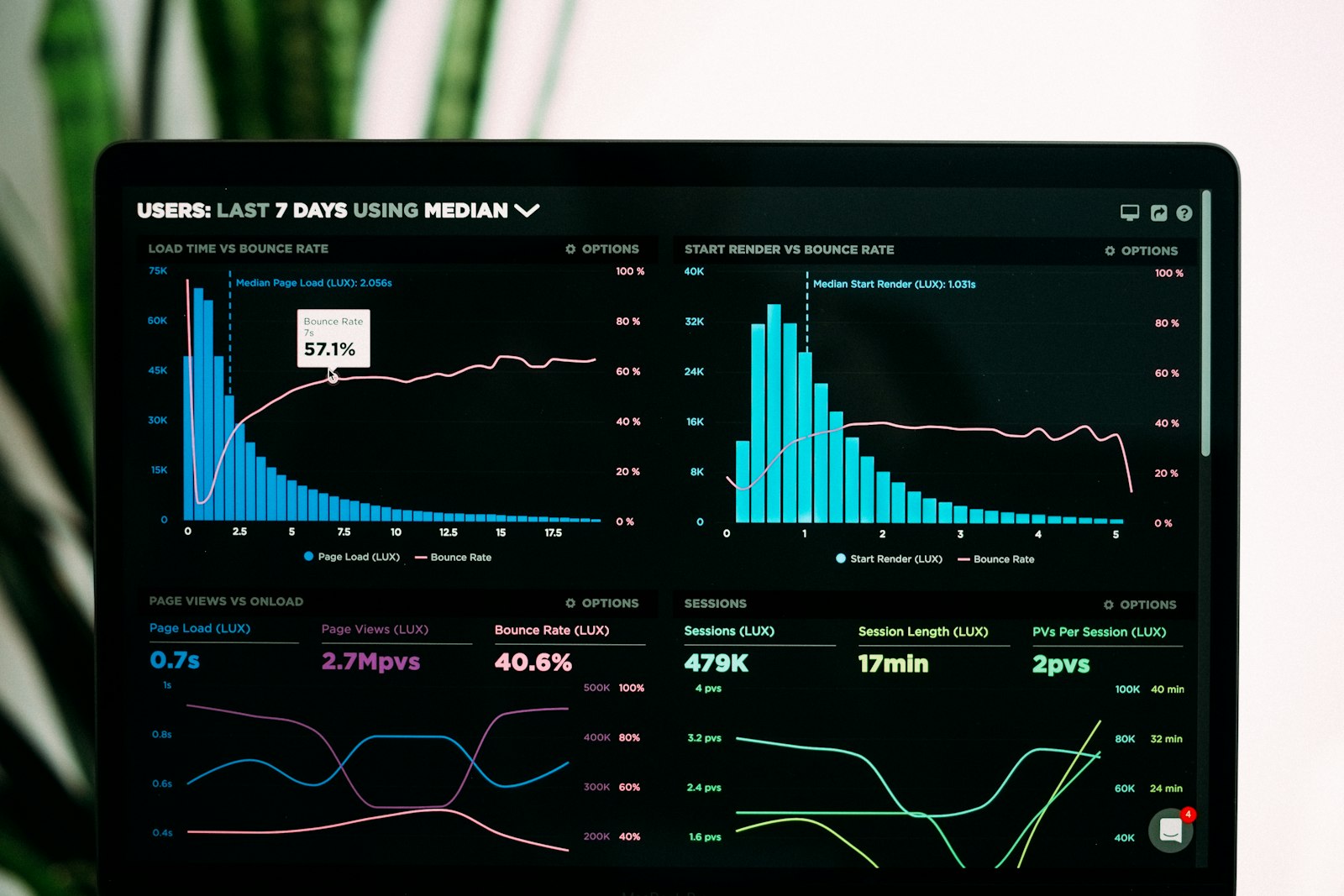
▲ Data products published by domains, under federated governance
3. How to Draw a Mesh on Top of ISA-95
ISA-95 (Enterprise → Site → Area → Line → Cell), the reference model of manufacturing IT, is often mistaken for a "centralized hierarchy," but it is in fact a structure that draws boundaries of responsibility. Level 4 (ERP) master data, Level 3 (MES) execution data, Level 2 (SCADA) control data, and Level 1 (sensor) raw signals each carry distinct domain responsibilities. Data mesh takes these boundaries as they are and defines each level and each site as a "domain that publishes data products." The result is a structure in which ISA-95's role definitions and data mesh's domain ownership overlap on a single blueprint.
When the Unified Namespace (UNS) or MQTT Sparkplug B is layered in, data exchange between domains happens on a single topic tree. If the UNS is the "registry office" of data, the data product catalog is the "certified copy of the register." The two are complementary, not competing.
4. How Is It Different from Data Fabric?
In 2025, Gartner reached the somewhat ambiguous conclusion that "data fabric and data mesh are neither the same nor different." The key difference is this: data fabric is a technology infrastructure that provides metadata, integration, observability, and automation, whereas data mesh is an organizational and architectural solution for who creates "business data products" and how. Gartner forecasts that "by 2028, 80% of autonomous data products in AI-ready data use cases will come from a complementary fabric-plus-mesh architecture" (Gartner, Quick Answer: Are Data Fabric and Data Mesh the Same or Different?). In other words, it is not a question of choosing one over the other. If fabric is the tooling, mesh is the operating model.
5. Where It Fails — The Four Pitfalls in the 2026 Maturity Report
The Thoughtworks 2026 report distills the common failures of organizations five years into their data mesh journey into four patterns.
- "Rebranded data domains" — renaming existing IT teams as "domains" without any transfer of business ownership. The most common pitfall, and the most fatal.
- "Domain autonomy without a platform" — granting domains autonomy while the self-service platform is still immature produces a sprawl of different stacks in every domain.
- "Data products without documentation" — datasets exist, but without schema contracts, SLAs, or owner information, so in the end no one uses them.
- "Absence of central governance" — when units of measure, master materials, time zones, and access policies differ from domain to domain, composition across data products breaks down.
In short, data mesh is not a technology project but an organizational change project. Thoughtworks concludes that "the biggest obstacle is changing organizational and individual behavior, not technology or architecture."
Case Study — German Manufacturer Alpha's Data Mesh Transition
A case study presented at the 2024 ECIS conference ("Building Industrial Data Platforms — A Case Study on Introducing Data Mesh," the Alpha case) documents in detail how a German manufacturer moved from siloed data stores to an integrated data platform built on domain ownership. In this case, the IT department's role was redefined from "data integration bottleneck" to "provider of the self-service platform the domains use," and average analytics project lead time was cut from six months to six weeks. In another industry example, the HiveMQ-Mastek partnership report found that "62% of manufacturers are investing in industrial data platforms to adopt AI and GenAI," and named the absence of domain data responsibility as the key bottleneck.
How PlantPulse Answers
KOPENS PlantPulse delivers the four principles of data mesh in a form that is executable on the realities of the factory floor. More than 200 industrial protocol adapters and ISA-95 asset modeling allow each site, line, and cell to be naturally recognized as a "domain." Domain teams publish their data to PlantPulse's data product catalog together with SLA, schema, and owner information, and other domains or AI/MLOps pipelines discover and subscribe to those products through the catalog.
At the platform layer, an edge-cloud hybrid pipeline, a standardized time-series store, data quality observability, and automated access and audit policies are built in and available from day one. Domains can focus on "what" to publish rather than "how." On the federated governance side, units of measure, time zones, master materials, and access policies are applied automatically as global rules, while autonomy is preserved for each domain. The two pitfalls organizations face when adopting data mesh — "rebranded domains" and "autonomy without a platform" — PlantPulse resolves at once, with natural ISA-95-based domain definitions and a platform that works from day one.
Closing
Data mesh is not a buzzword — it is the operating model that can end 30 years of silos in manufacturing data. But for organizations not ready to transfer responsibility to domains, treat data as products, and automate federated governance, it can end up as just another expensive experiment. The lesson of 2026 is clear: organization comes before technology. And organizational change is only possible on a platform that can withstand and accelerate that change.
When you begin a manufacturing data mesh journey, the first question to answer is not "which tool should we buy" but "who will own which data." At the next step, an industry-specific platform like PlantPulse makes domain autonomy and global governance possible at the same time. (References: Thoughtworks, The State of Data Mesh in 2026 / Gartner, Quick Answer: Are Data Fabric and Data Mesh the Same or Different? / Fortune Business Insights, Data Mesh Market 2026 / ECIS 2024, Building Industrial Data Platforms — A Case Study on Introducing Data Mesh / HiveMQ × Mastek, Industrial Data Management Trends 2025 / Martin Fowler, Data Mesh Principles and Logical Architecture / McKinsey, Manufacturing Digitalization Survey 2025)
© KOPENS — Industrial DataOps & PlantPulse Platform